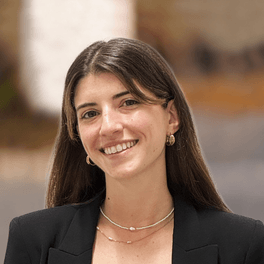
What would the energy transition look like if women were equally represented at the top? It’s an important question when considering better decision-making and stronger business outcomes. In partnership with POWERful Women, Acre continues the blog series uncovering the stories, barriers, and breakthroughs shaping female leadership across the energy sector. Our next guest is Ying Juliana Ko, a project manager at DNV.
Ying has a background in energy engineering and outside her technical responsibilities, she is involved in DNV’s DNI (Diversity and Inclusion) committee, where she contributes to initiatives that aim to create a more inclusive work environment.
How did this D&I initiative start?
It all started as we aimed to achieve certain targets for the business. The difficulty, however, is not just in hiring people, but retaining them. The entire business must make a shift to be more inclusive and to start listening to different voices. We went about this by creating programmes that invited people to talk about different topics.
When I first joined DNV as an intern, I was the only woman in our local office. I often entered a room comprising only of men discussing highly technical topics. The lack of experience at an intern-level naturally affected my confidence, but I was lucky in that my manager’s higher up was a woman, which meant that my performance and development would also be seen and evaluated through a female perspective. This made a big difference to me, and my confidence as I started my career. Representation is not only about being present in meeting rooms but creating a sense of belonging and trust that different perspectives will be understood and evaluated.
As I have grown and progressed internally, I gained the confidence to be part of this transition.
What challenges did you face while you were progressing?
Once a male colleague told me that I should communicate with more confidence and assertiveness in order to convince others about my ideas. I remember thinking, why do I have to convince others about my ideas? Being a woman often means really focusing on preparation and clarity. You first need to be 100% certain about the technical details and then communicate in a confident way. Your ideas must always be supported by data, otherwise they do not earn a seat at the table. And then, of course, you need to be consistent in order to maintain credibility.
As a man you don’t always have to work so hard on the preparation, factchecking, and delivery. It’s much easier to throw ideas about and fine-tune them later. You will still be heard.
How do you think this can change?
Change needs to happen on multiple different levels. The companies need to be intentional about hiring and promoting diverse talent. It needs to be reflected on the targets, the process, and leadership accountability. Companies have to create more opportunities for women as well as showcasing that women belong in technical and leadership roles. The more we normalise it, the more it inspires others to follow. Finally, creating an inclusive environment is just as important as hiring diversity. If the environment is not welcoming, then you will not get the retention needed, despite hiring efforts.
This isn’t without challenges. Sometimes this is a process of change but sometimes you might have to make physical changes too; an entrance, bathroom, or other facilities. It can take time.
What advice would you give to a young woman starting in the energy sector?
Focus on building strong foundations. Stay curious, and don’t be afraid to ask questions. I’d also suggest that you try and build a network early on; peers, mentors, sponsorships, etc.
Why is gender equality important in the energy transition?
As we move forward in the energy transition, it’s important that we bring more diverse perspectives into the process. Approaching net zero is not just a technical challenge, it is also a social, economic, and very political. In many ways, we are really challenging the very foundation of the modern era, which requires collaboration across disciplines and stakeholders.
Inclusive teams tend to be much more innovative and stronger in problem solving, which is exactly what we need to accelerate climate goals. Increasing women’s participation is not only a matter of equity but really is a strategic advantage for the industry and our shared goals.
Acre is committed to driving meaningful change within the energy sector, focusing on appointing impact-driven leaders that can create a more inclusive and sustainable industry. Our interest in this topic stems from a belief that diversity in leadership is essential for better decision-making, stronger business outcomes, and achieving a fairer energy transition. Through this blog series, in partnership with POWERFul Women, we will continue to explore the challenges, successes, and strategies around female representation in energy leadership. Each interview and insight will shed light on what’s working, what needs to change, and how the sector can accelerate progress for the next generation of leaders. Please reach out if you are interested in learning more.